Physiotherapy in Austria can be expensive — and waiting for a health-insurance-covered appointment costs additional time that passes painfully when you are dealing with knee problems. If you want to know how much the ÖGK physiotherapy reimbursement actually covers, what out-of-pocket costs remain, and which supplementary measures make sense at home, this practical guide has you covered.
What Does Physiotherapy Cost in Austria?
The cost of physiotherapeutic treatment varies considerably depending on the provider, region, and therapy focus. The following figures serve as a general guideline:
- Individual therapy session (50 minutes): €70–120 at a private physiotherapist
- Group therapy: €25–45 per session
- Home visit: €100–160 (including travel)
- Contract physiotherapist (Kassenvertrag): considerably cheaper, but longer waiting times
A typical treatment package for knee osteoarthritis consists of 6 to 12 sessions. With a private therapist, this quickly adds up to an out-of-pocket cost of €420 to €1,440, depending on scope and therapy goals.
Difference: Contracted vs. Private Physiotherapist
In Austria there are two paths to physiotherapy:
- Physiotherapist with a health insurance contract (Kassenvertrag) — the ÖGK or another insurance fund covers the bulk of the cost directly. The co-payment is low, but waiting times are often 4 to 12 weeks.
- Private physiotherapist (Wahlphysiotherapeut) — appointments are available immediately; you pay everything upfront and then apply for reimbursement from the ÖGK.
How Much Does the ÖGK Reimburse for Physiotherapy?
The Austrian Health Insurance Fund (Österreichische Gesundheitskasse, ÖGK) currently reimburses a flat-rate amount for private physiotherapists, based on the maximum insurance tariff. This amounts to roughly €30–45 per individual session, regardless of what you actually paid.
In practice this means: if you pay €95 for a session, the ÖGK refunds approximately €32 — an effective reimbursement rate of around 34 %. Some sources cite a reimbursement of ~68 %; this figure applies only when the therapist's actual fee is very close to the ÖGK reference rate, or when you secure a contracted slot with a minimal co-payment.
Requirements for ÖGK Reimbursement
For the ÖGK to pay, several conditions must be met:
- Medical referral: A valid prescription from a general practitioner or specialist is mandatory. Without a referral, no reimbursement.
- Recognised diagnosis: The treatment must be medically justified (e.g., knee osteoarthritis, gonarthrosis, post-operative rehabilitation).
- Registered therapist: The private physiotherapist must be state-approved in Austria (Diplomphysiotherapeut, DPT).
- Original invoice: Must be submitted with signature, date, and detailed therapy information.
Tip: Submit your claim within 3 years of treatment. The form "Antrag auf Kostenerstattung für Wahlärzte/Wahlheilbehelfe" is available on the ÖGK website or at any branch office.
Waiting Times at Contracted Practices: The Reality in Austria
Physiotherapy under a health insurance contract sounds attractive — but the reality is often sobering. In urban centres such as Vienna, Graz, or Linz, patients report waiting times of 6 to 16 weeks. In rural areas, the situation can be even more strained.
For acute knee problems or advanced knee osteoarthritis, this wait is frequently painful — literally. Those who cannot or do not want to wait have the following options:
- Private treatment with partial ÖGK reimbursement: start immediately, submit monthly reimbursement claims
- Hospital physiotherapy: accessible through inpatient or day-patient treatment, often faster
- Workplace health promotion: some employers offer subsidised physiotherapy
Knee Osteoarthritis and Physiotherapy: What Treatment Achieves
Especially for knee osteoarthritis (gonarthrosis), physiotherapy is one of the most important conservative treatment methods. Studies show that regular therapeutically guided exercise can slow cartilage breakdown and significantly improve quality of life.
Typical elements of a physiotherapeutic treatment for knee osteoarthritis include:
- Strengthening the thigh muscles (M. quadriceps femoris) to relieve stress on the knee joint
- Mobilisation exercises to improve joint range of motion
- Manual therapy to release blockages
- Electrotherapy or ultrasound to promote blood flow
- Posture and gait training for fall prevention
The results of professional physiotherapy are good — provided the exercises are also consistently continued at home. In particular during the first weeks after starting therapy, regularity is decisive: investing 15–20 minutes each day in targeted movement can considerably prolong the therapy results and help prevent future flare-ups.
Another underrated factor is the educational component: patients who understand how their knee joint works and which movements reduce strain move through daily life with greater confidence. Many physiotherapists in Austria therefore take time for patient education — explaining anatomy, load limits, and everyday strategies. Make the most of those conversations.
Self-Help at Home: What You Can Do in Addition
Those who remain active between therapy sessions support the healing process considerably. These measures are free or low-cost and can easily be integrated into everyday life.
Knee Exercise Routines
Exercise 1 – Quadriceps Isometrics (seated or lying) Sit on a chair. Extend the affected leg horizontally and hold for 5 seconds. 10–15 repetitions, twice daily.
Exercise 2 – Heel Raises (standing) Hold lightly onto a chair back for support. Slowly raise both heels and lower them again. 15 repetitions, 2–3 sets daily.
Exercise 3 – Knee Pendulum (seated) Sit on a raised chair or table. Let the leg swing loosely back and forth — like a pendulum. 2 minutes per leg per day. This relieves the joint capsule and promotes synovial fluid circulation.
These simple exercises can help stabilise the musculature around the knee and support long-term mobility.
Heat, Cold, and External Applications
Whether to apply heat or cold depends on the phase of the symptoms:
- Acute inflammation, swelling: cooling with a damp cloth or cold compress (never directly on the skin) for 10–15 minutes
- Chronic tension, stiffness: heat application, e.g., a heat patch or a warm bath
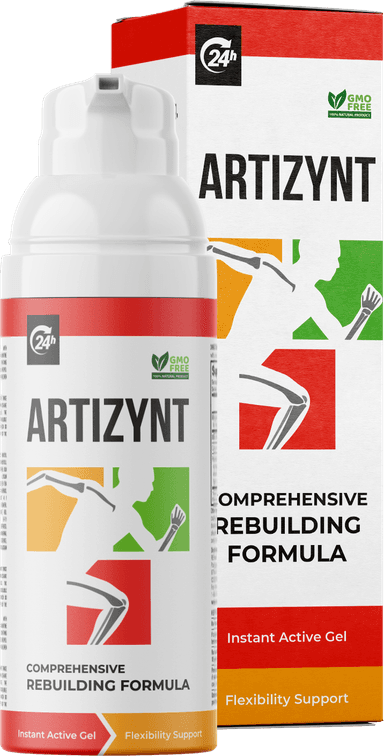
Many people additionally use topical gel preparations to care for the joint area. Modern formulations such as the ArtiZynt Gel with magnesium sulphate, Siberian fir oil, and peppermint oil can provide support — they cool, care for the skin around the joint, and can be conveniently integrated into a daily routine.
Diet and Weight Management
Every kilogram of body weight places 3 to 4 times the pressure on the knee joint during walking. For knee osteoarthritis, even a moderate weight reduction of 5 kg can noticeably relieve symptoms — without medication, without surgery.
Additionally, an anti-inflammatory diet may help slow cartilage breakdown:
- Omega-3 fatty acids (fish, linseed oil, walnuts)
- Antioxidant-rich vegetables (broccoli, spinach, peppers)
- Less sugar and processed foods
Supplementary Private Insurance: Is It Worth It for Physiotherapy?
Those who need physiotherapy regularly or want to avoid waiting for contracted slots may want to consider a supplementary private health insurance policy. Austrian providers such as Wiener Städtische, UNIQA, Generali, or Merkur offer plans that cover private physiotherapy at a much higher rate than the ÖGK.
Typical benefits of a physiotherapy supplementary plan:
- Reimbursement of 80–100 % of private physiotherapy costs
- Annual allowance of 20–30 therapy sessions
- Osteopathy, chiropractic, and other complementary methods often included
- Monthly premium: from approximately €15–35, depending on age and scope
For whom is it worthwhile? Anyone already living with chronic joint conditions such as knee osteoarthritis, or working in a physically demanding profession, can save considerably in the long run with supplementary insurance. Important: pre-existing conditions are often listed as exclusions — read the small print carefully or call the insurer before signing up.
An alternative is the voluntary higher-rate coverage within the ÖGK, which in certain cases allows better reimbursement rates. A direct conversation with your local ÖGK office is worth having here too.
When Is It Worth Applying for a Rehabilitation Stay?
For advanced knee osteoarthritis, inpatient rehabilitation or a spa treatment (Kur) can be beneficial. Austria offers specific programmes for this:
- AUVA rehabilitation centres (following occupational accidents)
- PVA rehabilitation (Pension Insurance Authority, for employees)
- ÖGK spa treatments at recognised health resorts (e.g., Bad Gastein, Baden bei Wien)
An application runs through the health insurance fund or the PVA and requires medical justification, as well as a waiting period of usually 3 to 9 months. If the application is approved, costs are largely covered.
Practical Checklist: How to Optimise Your Physiotherapy Costs
If you are using or planning physiotherapy in Austria, these steps will help:
- Search for a contracted slot first — therapist directory at gesundheitskasse.at
- Get a medical referral — from your GP or orthopaedic specialist, before the first appointment
- Compare several private practices — prices between €70 and €120 per session vary considerably
- Submit reimbursement claims promptly — do not wait until the entire course of therapy is complete
- Do self-exercises daily — this reduces the number of paid sessions needed
- Use additional home support — cold applications, heat, external gel products
Conclusion
Physiotherapy in Austria is effective but not cheap — especially with private physiotherapists. The ÖGK reimburses part of the cost but rarely covers more than 30–68 %, depending on the actual fee charged and the applicable reimbursement rate. Anyone with knee problems who wants to avoid long waiting times can start with a private physiotherapist and apply for reimbursement. A supplementary private insurance plan can be worthwhile in the medium term if chronic conditions require regular treatment.
At the same time, it is worth actively using the time between therapy sessions: targeted strengthening exercises, dietary adjustments, and external applications to care for the joint area can help support the healing process and improve quality of life. The Austrian healthcare system, despite its shortcomings, offers real opportunities — you just need to know them and use them purposefully.
If your symptoms persist or worsen, please consult your doctor or orthopaedic specialist to coordinate the most appropriate therapy for your individual situation.
Want to support your joints naturally?
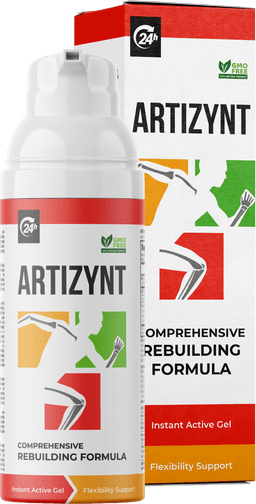
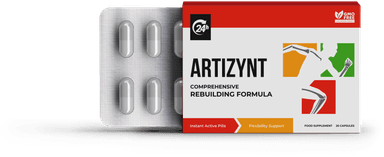
ArtiZynt — the natural solution with Gel and Capsules for healthy, pain-free joints.

Order now and feel the difference!
Natural joint care without side effects. Thousands of satisfied customers already trust ArtiZynt.
Follow us
Order Now
Fill out the form – we'll call you back