
Does This Sound Familiar? Every Step Becomes a Struggle
Joint pain affects millions of people across Europe – especially from age 35 onwards. You wake up in the morning and the very first movement hurts. Climbing stairs, carrying shopping bags, playing with the grandchildren – what used to be effortless suddenly becomes a problem.
Why You Cannot Afford to Ignore This
Untreated joint pain doesn't get better – it gets worse. Cartilage continues to break down, inflammation spreads, and mobility steadily declines. Waiting too long puts you at risk of:
- Chronic pain that affects every aspect of daily life
- Social isolation because you avoid activities with family and friends
- Dependence on painkillers with their well-known side effects
- Progressive cartilage loss that may ultimately require surgery
Every day without treatment is a lost day of quality of life.
The Most Common Causes of Joint Pain
1. Osteoarthritis (Joint Wear)
Osteoarthritis is the most common joint disease worldwide. The protective cartilage between bones becomes thinner, causing joints to rub against each other. The most commonly affected areas are knees, hips, shoulders and fingers.
Typical signs:
- Morning stiffness that subsides after 30 minutes
- Pain during physical activity
- Limited range of motion
- Crunching sounds in the joint
2. Inflammatory Processes
Chronic inflammation in the body can worsen joint pain. Risk factors include an unbalanced diet, stress and lack of exercise.
3. Nutrient Deficiency
Joints need specific nutrients to stay healthy. A deficiency in glucosamine, collagen, zinc and copper can impair cartilage regeneration.
Prevention: How to Keep Your Joints Healthy
- Regular exercise – Moderate activities like swimming, cycling and yoga keep joints flexible
- Healthy diet – Omega-3 fatty acids, antioxidants and sufficient protein
- Weight management – Every kilogram less relieves knee joints by four times the amount
- Adequate hydration – Joint cartilage is made up of 80% water
Want to support your joints naturally?
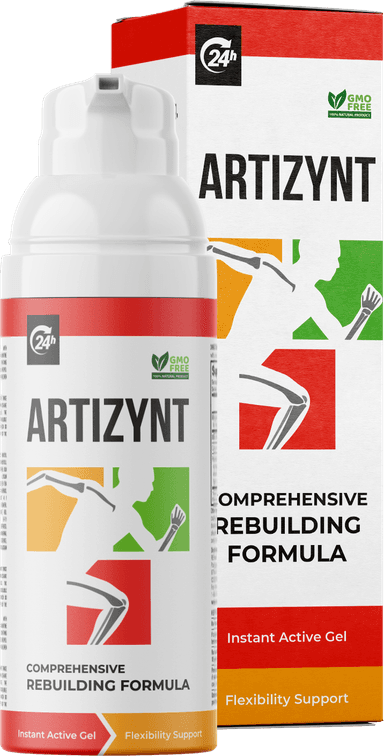
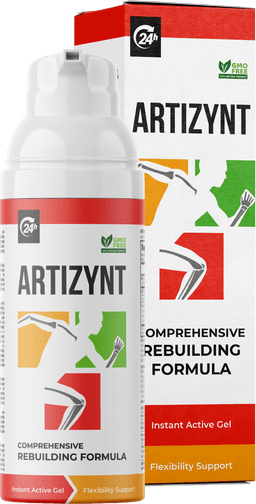
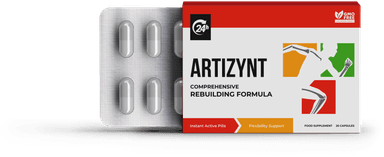
ArtiZynt — the natural solution with Gel and Capsules for healthy, pain-free joints.
The Solution: Natural Joint Care With a Dual Approach
The good news: You don't have to live with joint pain. The most effective approach combines external and internal treatment:
External Application – Fast Relief
Topical treatment with natural active ingredients provides fast relief. Ingredients like magnesium sulfate have muscle-relaxing properties, while essential oils such as Siberian fir oil and peppermint oil provide cooling and circulation-boosting effects. ArtiZynt Gel combines all these ingredients in a formula that delivers noticeable relief in just 15 minutes.
Internal Support – Long-Term Regeneration
From within, active ingredients like D-glucosamine sulfate and collagen support the building and regeneration of cartilage tissue. Turmeric extract has anti-inflammatory properties, while zinc and copper are important co-factors for cartilage synthesis. ArtiZynt Capsules deliver exactly this combination in a scientifically calibrated dosage.
Why the Combined Approach Works Best
The combination of external and internal treatment is considered particularly effective. While ArtiZynt Gel provides immediate relief, the Capsules support long-term cartilage regeneration.
Your Next Step to Pain-Free Joints
Joint pain doesn't have to be part of everyday life. Order ArtiZynt today and take the first step towards a pain-free life. Follow us on social media for more tips on joint health.

Order now and feel the difference!
Natural joint care without side effects. Thousands of satisfied customers already trust ArtiZynt.
Follow us
Order Now
Fill out the form – we'll call you back